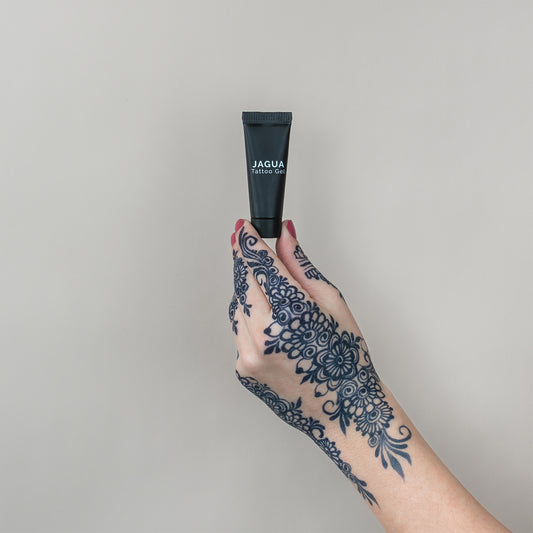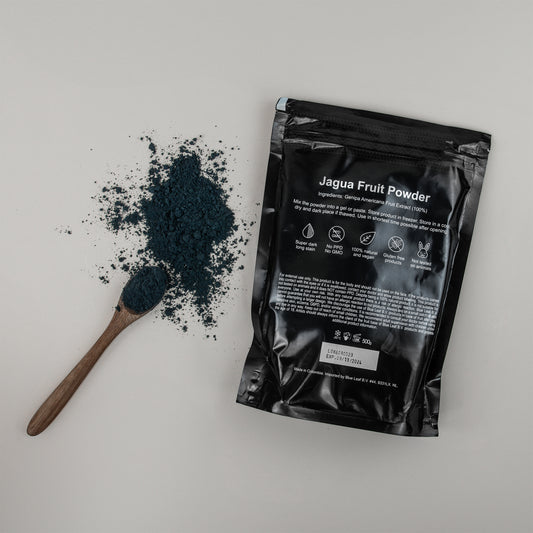

Jagua is a natural dye made from the fruit of the Genipa americana tree, native to the rainforests of South and Central America. Unlike traditional henna, which stains the skin orange-brown, Jagua produces a striking bluish-black color that closely resembles the look of a real tattoo. In this article, we’ll explore the origins, history, and modern use of Jagua.
Jagua is a natural dye made from the fruit of the Genipa americana tree, native to the rainforests of South and Central America. Unlike traditional henna, which stains the skin orange-brown, Jagua produces a striking bluish-black color that closely resembles the look of a real tattoo. In this article, we’ll explore the origins, history, and modern use of Jagua.
About the Jagua tree
The story of Jagua begins with the Genipa americana tree, which can grow up to 20 meters tall and live for several decades, with some trees reaching 100 years or more.
Jagua thrives in humid, rain-soaked environments, making the Amazon basin its natural home. Over time, cultivation has spread to other parts of Central America and even some Caribbean regions.
The tree produces broad leaves and clusters of white blossoms, but its fruit is the real treasure. The fruit resembles a small melon or kiwi, with a rugged exterior protecting a pulpy interior — the source of the prized Jagua juice.

Jagua’s origins can be traced back to the tropical rainforests spanning from Brazil to Panama. The tree has a preference for humid, rain-soaked environments, making the Amazon basin its primary home. However, the cultivation and knowledge of Jagua have gradually extended beyond its native regions. Now, Jagua trees can be found in parts of Central America and even some areas of the Caribbean.
Its broad leaves shelter clusters of white blossoms, but the real attraction is the fruit it bears. It looks like a mix between a kiwi and a small melon. The rugged exterior of the fruit encloses a pulpy center, from which the prized Jagua juice is extracted.

From Fruit to Dye: How Jagua Works
The coloring power of Jagua comes from its active compound, Genipin, naturally found in the unripe fruit of the Genipa americana tree. Genipin reacts with the proteins in the outer layer of your skin, producing the bluish-black stain that makes Jagua tattoos so striking.
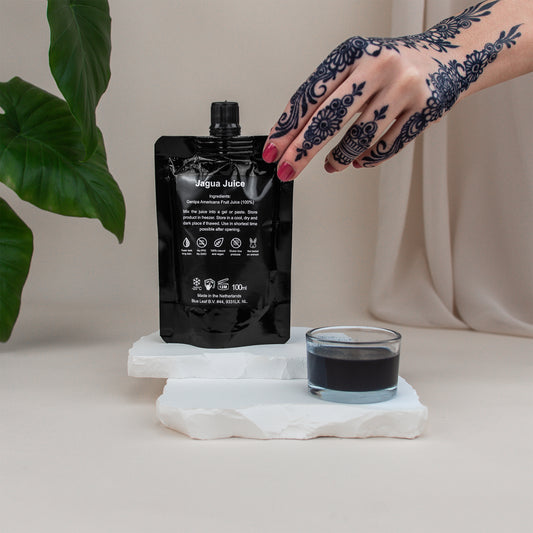
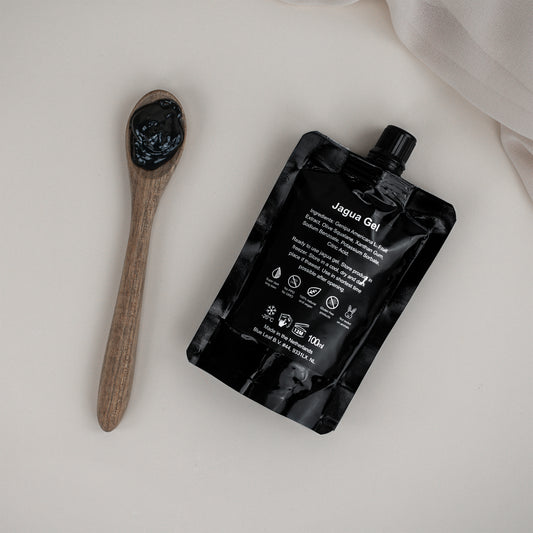
When the extracted juice, gel, or powder is applied to the skin, oxidation occurs — a natural chemical reaction triggered by exposure to air — which gradually develops the deep color. This is similar to how an apple slice turns brown after being left out.
Thanks to Genipin, Jagua tattoos penetrate the outermost layer of skin rather than just sitting on the surface. This is why your tattoo develops over 12–24 hours and can last up to two weeks, gradually fading as the skin naturally exfoliates.
Want to learn more about how we produce Jagua? Visit our Factory page
The History of Jagua: Tribal Traditions
Although it may feel like a modern discovery, Jagua has been used by indigenous tribes for centuries. For these communities, Jagua was much more than decoration — it had spiritual and cultural significance, used in ceremonies to protect against malevolent spirits, mark life events, or indicate social status.
Jagua was also applied beyond the body. Tribes used the juice for crafts, painting fabrics, and decorating pottery. The ripe fruit itself is edible, with a sweet-tangy pulp that tastes like a mix of lemon and rhubarb. It has been eaten raw, turned into jams and jellies, or fermented into beverages.

Modern-Day Use of Jagua in Body Art
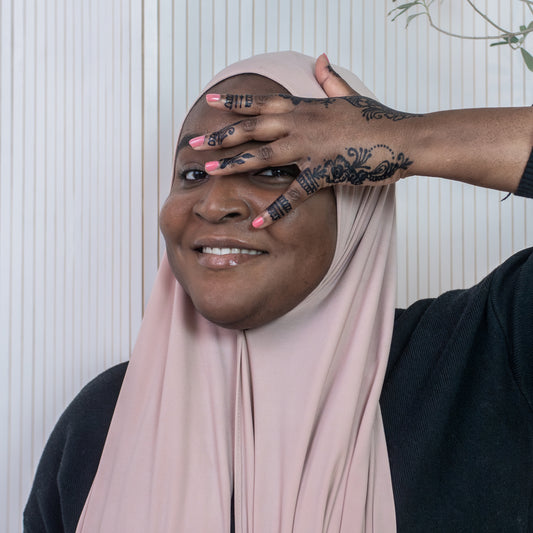
Today, Jagua has become a popular natural alternative for temporary tattoos. Its dark, tattoo-like stain appeals to those who want the look of a real tattoo without a permanent commitment.
Artists now combine traditional symbols with modern designs, blending cultural heritage with contemporary creativity. Whether for personal expression or professional artwork, Jagua remains a versatile and timeless medium for body art.
Conclusion
Jagua is more than just a natural dye — it’s a connection to centuries of tradition, culture, and artistry. From the rainforest fruit to a striking temporary tattoo, its active compound Genipin gives you a safe, semi-permanent stain that fades naturally with your skin.
Whether you’re exploring Jagua for its cultural history, its beautiful blue-black color, or as a temporary alternative to permanent tattoos, it remains a versatile and inspiring medium. Discover how you can use Jagua in your own designs and enjoy the art of temporary body expression.